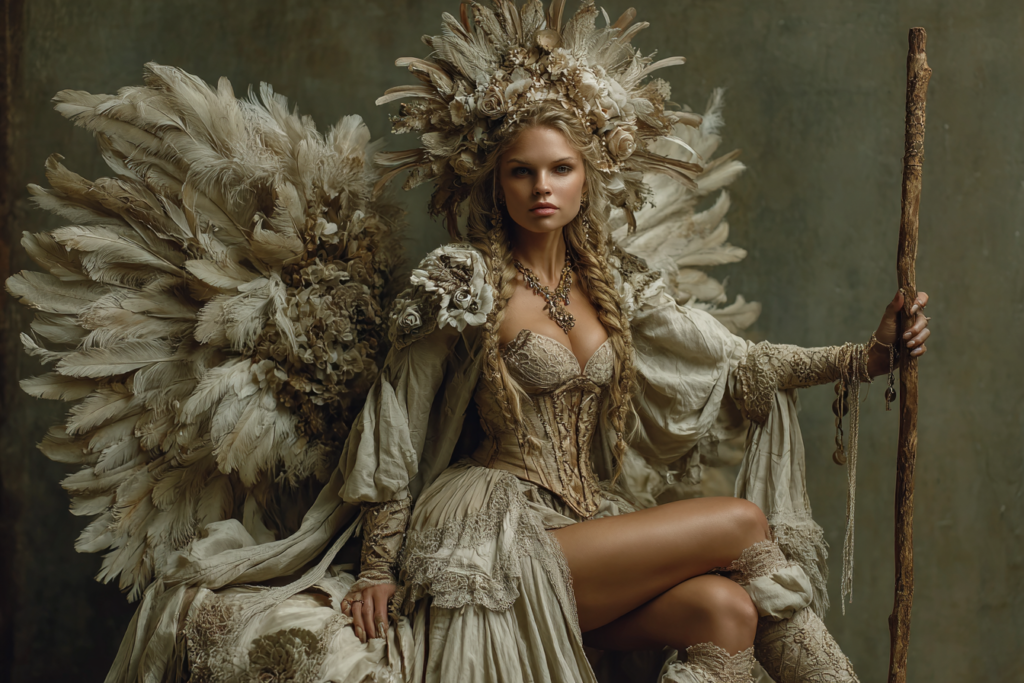
Don’t Mess With Fairies
They are not Tinkerbell.
There are cute fairies in fiction—small, sparkling things with wings and an affinity for glitter. But in fantasy stories worth their salt (and you’d better bring salt), the creatures we call “fairies” are nothing like the light, airy sound of their name. “Fae” is the better term, but even that doesn’t quite capture the danger, the alienness, or the fundamental unknowability of them.
In short: don’t trust the wings. They’re probably decorative. The claws are real.
A Brief and Likely Inaccurate Etymology
The word fairy comes from Old French faerie, which originally referred to enchantment or the state of being enchanted. Over time, faerie came to refer to the creatures themselves; beings of the Otherworld, often both beautiful and terrifying. Fae, faeire, and fae folk are all rooted in that same linguistic soup.
But something happened along the way. Victorian writers and early illustrators sanded off all the sharp edges, shrank the fae down to bug-size, and put them in flower hats. Disney sealed the deal, and suddenly the average reader hears “fairy” and thinks of a helpful glow stick with attitude.
Modern fantasy writers have done a lot of work to reclaim the term.
First Contact: Fairies With Teeth
My first exposure to truly terrifying fae was in Charlaine Harris’ Southern Vampire Mysteries. (They mysteriously never made it into the TV series, or if they did, it was long after I stopped watching.)
In Harris’ books, the fairies are full-sized, beautiful, and lethal. They don’t care about humans, or vampires, or shifters, or anyone outside their own kind. Even Sookie, who has… let’s say reasons to expect better treatment from them, barely registers as more than a curiosity, until they decide she’s a threat. Then it’s all knives and glamours.
That portrayal stuck with me. It felt right. Fairies should be ancient and inhuman, operating on a moral scale completely divorced from ours. They should never, ever be safe.
Why I Write Fairies That Way
In Touched by Faelight, the fae are absolutely not the good guys. Or the bad guys, for that matter. They’re something else, which is more dangerous. They don’t explain themselves. They don’t apologize. They make you feel like you’re walking a tightrope across a canyon with no bottom and no name.
And to me, that’s what makes them interesting. They aren’t just monsters or magical folk with cool powers. They’re the echo of old gods, wrapped in glamour and spite.
Other Fantasies That Got It Right
Plenty of authors have gone down the thorny path of the fae and come back with something compelling…and terrifying. A few favorites:
- Holly Black’s Folk of the Air series: Full of vicious, gorgeous fae politics and a human girl with enough rage and cunning to survive it.
- Seanan McGuire’s October Daye books: A modern-day take on fae courts, with a protagonist who has one foot in both worlds—and is constantly bleeding from it.
- Patricia A. McKillip’s Winter Rose: Not strictly about fae, but deeply fae in feel—haunting, mysterious, and mythic.
- The Sandman (Neil Gaiman): Titania and her ilk show up with all the unsettling beauty and indifference you’d expect from true fae royalty.
Your Turn
Who are your favorite terrifying fairies? What stories got the fae just right, or twisted them into something new and brilliant? I’m always looking for more tales where the fair folk are more foe than friend. Let me know in the comments.
And remember: if a stranger in the woods offers you fruit, say no. Especially if it’s glowing.
.
.
Coming soon: After the Quieting.
Newly Released: Veilbound — Firebird Omnibus — Sylvalight